A scientist from De Montfort University Leicester (DMU) has contributed to international research that sheds new light on how and why some types of hip replacements fail, and offering valuable insights that could improve patient outcomes and implant design.
Dr Fuad Khoshnaw, of DMU's School of Engineering, Infrastructure and Sustainability, worked with colleagues from Canada's University of Western Ontario, on the study called: Failure analysis of retrieved stainless steel Exeter hip implants: A fractographic and corrosion perspective.
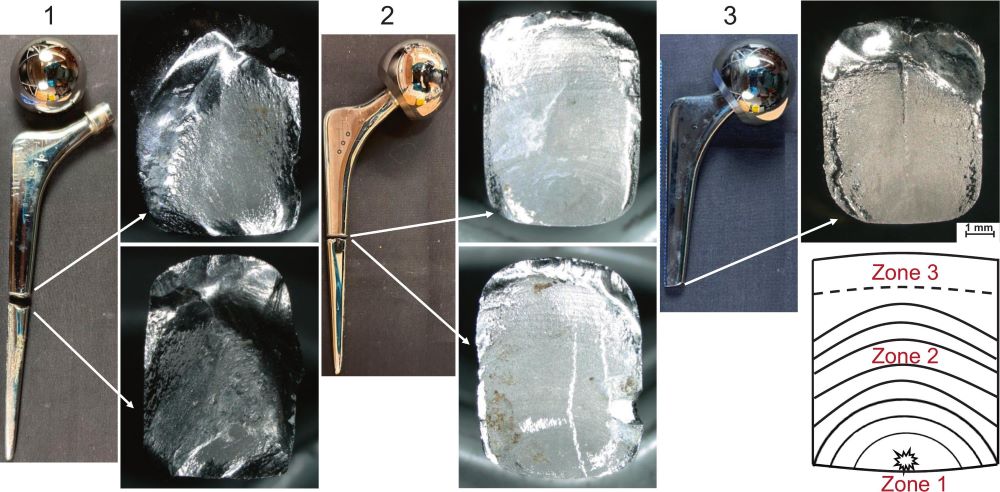
The ground-breaking work, published in the Journal of Engineering Failure Analysis, used advanced engineering techniques - including a scanning electron microscope coupled with energy-dispersive X-ray spectroscopy, as well as high-powered digital microscopy - to analyse Exeter hips that had failed and been surgically removed from patients.
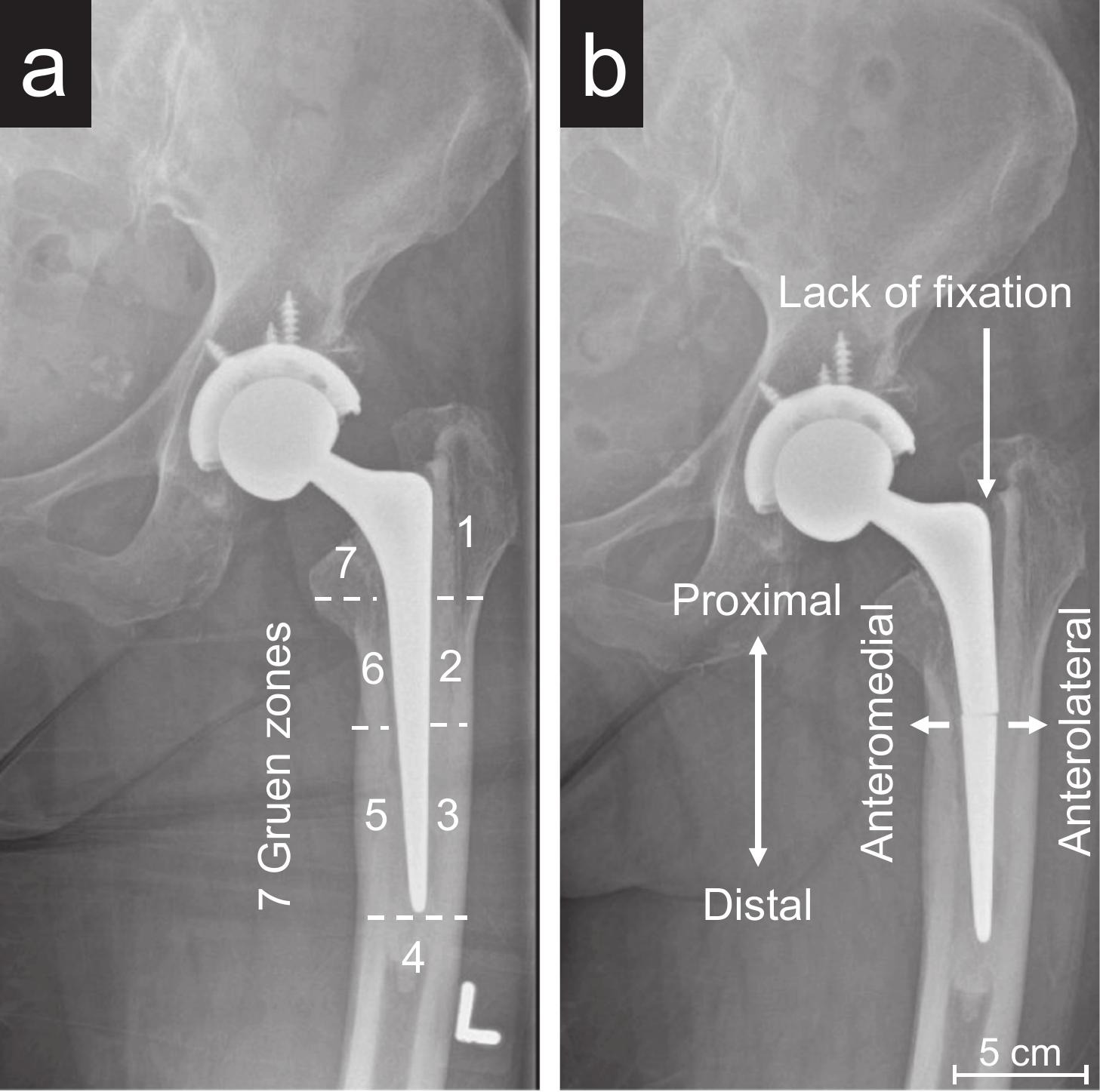
First used in 1970, the Exeter Hip is one of the world's most successful medical implants. It was designed by NHS surgeon Professor Robin Ling and University of Exeter engineer Clive Lee. It is currently used in around 40 per cent of all hip replacement operations in the UK; worldwide, more than two million people have received an Exeter hip.
Hip replacements are widely regarded as one of the most successful medical procedures, restoring mobility and quality of life for millions. However, a small number of implants can fail over time, requiring revision surgery; understanding why could be crucial for improving outcomes for patients.
The research focused on the combined effects of mechanical stress and corrosion inside the body - together know as known as 'corrosion fatigue'. In addition to mechanical fatigue, the team found that corrosion played a significant role. The body’s internal environment can gradually degrade stainless steel, particularly in areas where stress is concentrated. Corrosion fatigue was identified as a major contributor to implant failure.
Importantly, the research revealed that microscopic surface damage can act as a starting point for cracks. Once initiated, these cracks may grow slowly and remain undetected until they reach a critical size, potentially leading to sudden failure of the implant.
The findings have significant implications for both manufacturers and clinicians. Improving material selection, refining implant design, and enhancing surface finishing processes could reduce the likelihood of cracks forming. Better monitoring of patients with long-term implants may also help detect early signs of failure before serious complications occur.
Dr Khoshnaw said: “By examining real implants that have been used in patients, we can better understand how and why failures occur. This knowledge is essential for improving the design and durability of future hip replacements.”
Posted on Tuesday 31 March 2026