A new £1.2 million research project led by De Montfort University Leicester (DMU) will bring together artists, scientists and entrepreneurs to develop more effective ways of communicating about climate change.
Entrepreneurship, Art and Science for Environmental Sustainability, known as EASE, is a two-year project funded by UK Research and Innovation (UKRI). It will embed artists and entrepreneurs with scientists conducting palaeoclimatology research in caves on the Mediterranean island of Crete.
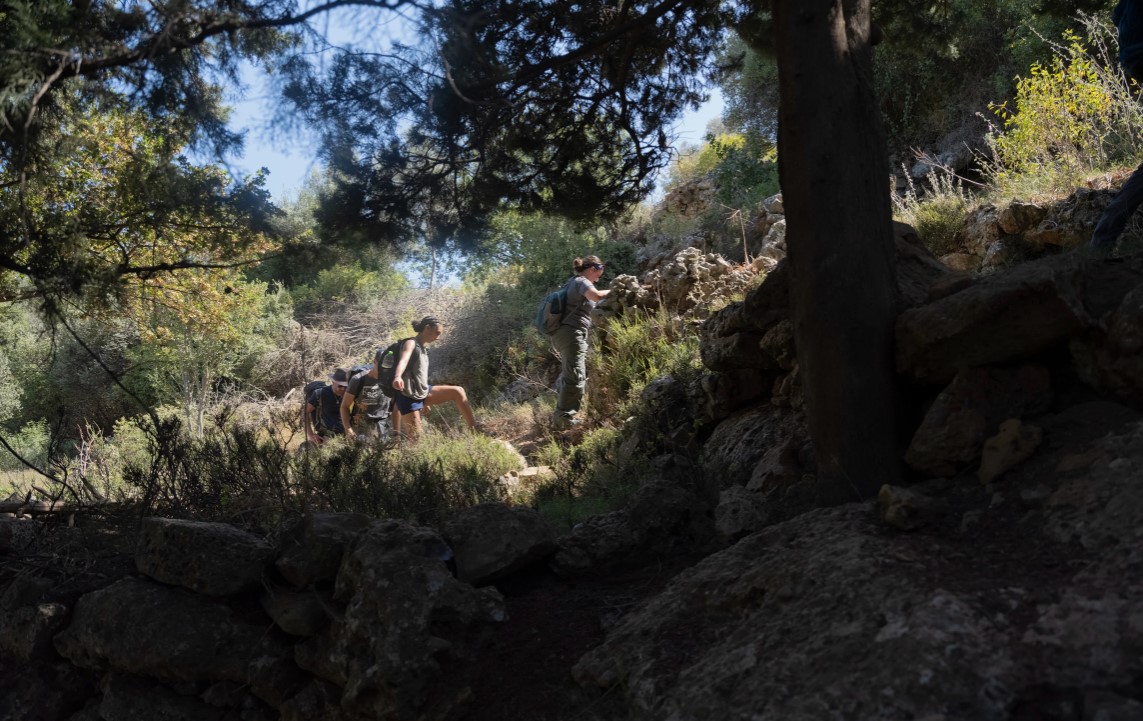 Researchers on Crete.
The project is led by Principal Investigator Dr Mark Kasumovic, Senior Lecturer in Photography and Video at DMU. It brings together partners from the universities of Birmingham, Oxford, Nottingham Trent, East London, and Western University in Canada, alongside cultural and scientific organisations across Europe.
EASE will explore how climate research can be communicated in ways that are scientifically accurate, emotionally engaging and more likely to reach wider audiences.
Dr Kasumovic said: “For decades, the climate conversation has been dominated by data, graphs, models and projections. The problem is often not a lack of knowledge, but a failure of connection.
“To communicate about climate change well, we need to combine emotional language that engages with rational, data-driven language that explains.”
The project will test a new collaborative approach called the Climactic Assemblages Methodology, or CAM. This will involve artists, entrepreneurs and scientists working together from the beginning of the research process, rather than treating communication as something added after scientific findings have been produced.
Crete has been chosen because it is the site of important palaeoclimatology research into how past societies were affected by environmental change.
EASE will develop around 25 early-stage concepts before selecting five prototype tools for further testing across digital platforms and public venues such as museums and galleries.
Dr Kasumovic said the aim was to create “communication tools that are scientifically grounded, emotionally resonant, and built to last beyond the life of the project.”
Posted on Tuesday 21 July 2026